Revitalize Your Space: Masterful Tips for Hardwood Floor Refinishing That Amazes
Refinishing hardwood floors can revolutionize a space dramatically. Many homeowners ignore the warning signs that show their floors require refinishing. Common issues include scratches, dullness, or uneven surfaces. Understanding the benefits of refinishing, along with the proper techniques and tools, is essential for achieving stunning results. However, navigating the process can be overwhelming. What are the key steps and common pitfalls to avoid? The answers may amaze you.
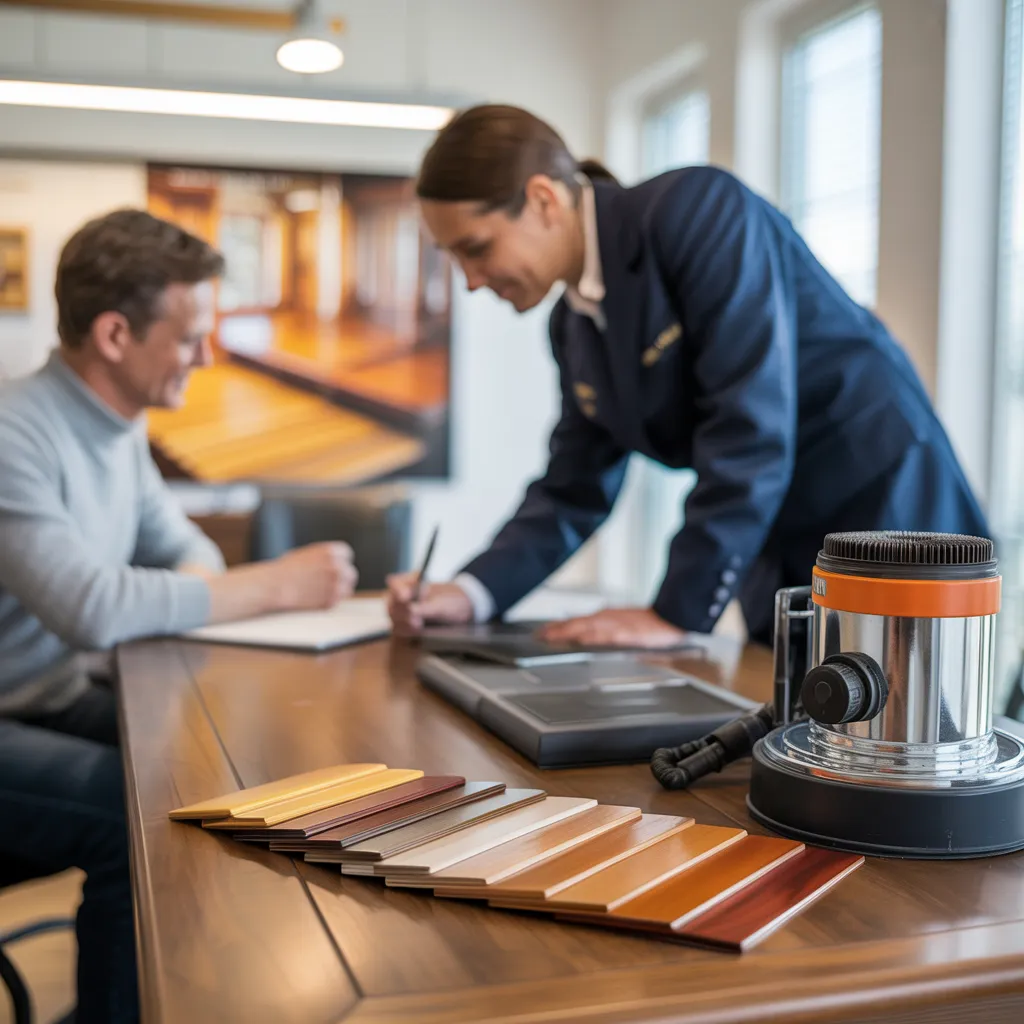
How to Determine If Your Hardwood Floors Require Refinishing?
When determining whether hardwood floors need refinishing, homeowners should look for distinct signs of wear and damage. One key indicator is the visibility of scratches, dents, or deep scuff marks that detract from the floor's appearance. In addition, if the finish seems dull or worn, especially in high-traffic areas, it may suggest the need for refinishing. Homeowners should also look for water stains or discoloration, which can signal moisture damage. A simple test involves pouring a few drops of water on the surface; if the water beads up, the finish is still intact, but if it penetrates, refinishing is likely needed. Additionally, if the wood has become splintered or rough to the touch, it may require attention. By evaluating these signs, homeowners can make informed decisions about whether their hardwood floors need refinishing to revive their beauty and durability.
Advantages of Hardwood Floor Refinishing
The refinishing of hardwood floors presents various crucial benefits that can remarkably enhance a home. It both elevates the floors' visual appeal and increases home value while extending the wood's longevity. Property owners can experience a revitalized look while making a prudent investment in their property.
Enhanced Cosmetic Appeal
Refinishing wood floors can substantially boost the decorative beauty of a space, as it revives the wood's original charm and shine. This process gets rid of wear marks, indentations, and color changes, displaying the clean, lively texture beneath. A newly refinished floor can revitalize a room, making it feel warmer and more unified. The choice of finish—whether satin, matte, or high-gloss—further allows homeowners to customize the look to their distinctive aesthetic and established interior. In addition, refinishing provides an opportunity to change the stain color, presenting a fresh perspective and modernizing the ambiance. Ultimately, a expertly refinished hardwood floor serves as a impressive focal point, enhancing the total look and feel of any space.
Higher Property Equity
The value of a well-maintained home often copyrights on its design qualities and functional aspects, with hardwood floors holding significant importance. Resurfacing hardwood floors enhances their aesthetic appeal while substantially increasing a home's overall market value. Potential buyers frequently view refinished floors as a symbol of dedication and thorough upkeep, making properties with recently resurfaced hardwood floors more desirable. Residences showcasing such floors typically demand elevated market values, as buyers are commonly ready to spend additional funds on spaces that require less immediate upkeep. Furthermore, a polished hardwood floor creates an appealing ambiance, appealing to a wider audience. Fundamentally, refinishing hardwood floors is a wise financial decision that yields returns through increased property value.
Prolonged Flooring Longevity
When homeowners prioritize the maintenance of their hardwood floors, they often find that refinishing greatly extends the lifespan of these surfaces. By removing see this scratches, dents, and discoloration, refinishing restores the wood's natural beauty and integrity. This method requires sanding the surface layer, which removes defects and permits the addition of fresh sealant. Consequently, the flooring receives enhanced protection from everyday use, water exposure, and ultraviolet harm. Consistent refinishing eliminates the necessity for pricey substitutions, establishing it as an intelligent home care investment. Furthermore, keeping the flooring in optimal condition promotes a more wholesome interior atmosphere, since refinishing aids in blocking allergens and particles. Ultimately, refinishing is essential for longevity and durability.

Necessary Supplies and Items for Renovating
To successfully refinish hardwood floors, particular tools and materials are necessary. A well-equipped toolkit can streamline the process and guarantee a professional finish. Knowing these key items will make the refinishing project easier and more efficient.
Required Tools
Essential tools and materials are crucial for a successful hardwood floor refinishing project. A drum sander is essential for removing the old finish and smoothing the wood surface, while an edge sander allows for precise finishing along walls and corners. Sandpaper in different grits is needed for achieving a smooth, even surface. A vacuum or dust collection system is essential to eliminate debris during the sanding process. Additionally, a buffer can help create a polished look after applying the finish. Safety gear, including goggles and masks, shields the user from dust and fumes. Finally, a quality applicator and brushes provide an even application of the finish, improving the final appearance of the hardwood floors.
Required Materials
Refinishing hardwood floors requires a selection of essential materials that ensure a successful transformation. Key components include sandpaper in multiple grits for smooth surface preparation and a reliable floor sander to efficiently remove old finishes. A dust mask and safety goggles are necessary for protection during the sanding process. After sanding, a quality wood stain improves the floor's appearance, while a durable finish, such as polyurethane, provides lasting protection. Foam brushes and roller applicators are advised for even application of the stain and finish. Additionally, a vacuum cleaner or broom is needed for complete clean-up, ensuring no debris interferes with the refinishing process. These materials collectively contribute to achieving a beautifully refinished hardwood floor.
Professional Guide to Hardwood Floor Restoration
While many homeowners may feel intimidated by the process, refinishing hardwood floors can be a manageable task with the right guidance. The first step involves removing all furniture and thoroughly cleaning the floor. Following this, using a sander, the old finish is stripped away, ensuring an even surface. It is crucial to pay attention to corners and edges, typically requiring a hand sander for precision.
After the floor undergoes sanding, it should be vacuumed and wiped down to eliminate dust. The application of a stain comes next, if preferred, providing color customization. When the stain is dry, a finish is applied, typically in multiple coats for lasting protection. Homeowners should verify proper drying time between each layer.
Lastly, it is essential to allow the floor to cure for multiple days before bringing back furniture to prevent damage. Following these steps can assist homeowners return their hardwood floors to their original glory.
Selecting Between Oil-Based and Water-Based Finishes: What to Know
How does one choose between water-based and oil-based finishes for hardwood floors? The choice often depends on several factors, including longevity, cure time, and visual appeal. Oil-based finishes are famous for their rich, inviting colors and exceptional durability, making them excellent for high-traffic areas. Nonetheless, they require longer drying times and emit stronger odors during application.
In contrast, water-based finishes dry rapidly and are not as pungent, which may be attractive to homeowners focusing on a low-VOC environment. They provide a more natural appearance, retaining the wood's original color, but may not give the same depth as oil-based options.
Ultimately, the decision should correspond to lifestyle needs and personal style. For instance, families with pets or children might lean toward the durability of oil-based finishes, while those seeking a quicker, cleaner application might choose water-based alternatives. Evaluating these considerations will lead to an informed choice.
Five Critical Errors to Stay Away From When Restoring Your Wood Floors
When handling the task of hardwood floor refinishing, homeowners often miss crucial missteps that can produce unsatisfactory results. One of the most common mistakes is poor preparation; failing to properly clean and sand the floor properly can influence the finish's adhesion. Another prevalent error is picking the wrong type of finish, which can impact appearance and durability. Additionally, many overlook the importance of ventilation; appropriate airflow is essential for drying and curing the finish correctly. Timing is also critical; accelerating the process can lead to uneven results or damage to the newly applied finish. Finally, forgetting to test the finish on a small area can produce unpleasant surprises, such as an unwanted color or sheen. By sidestepping these pitfalls, homeowners can guarantee a successful refinishing project that amplifies the beauty of their floors.
Guidelines for Caring for Your Freshly Refinished Floors
Once you've successfully avoided common mistakes in the refinishing process, preserving the newly finished hardwood floors becomes essential for protecting their beauty and longevity. Regular cleaning is vital; a soft broom or microfiber cloth can successfully remove dust and debris without harming the surface. It is best to use a pH-balanced cleaner specifically made for hardwood floors to avoid damaging the finish.
Furthermore, positioning doormats at entryways can aid in decrease dirt and grit tracked onto the floors. Homeowners should refrain from using too much water throughout mopping, as moisture can get into seams and create warping.
Furthermore, furniture pads need to be applied to avoid scratches from moving items. To conclude, introducing a no-shoes policy can significantly reduce wear and tear. By adhering to these maintenance suggestions, homeowners can appreciate their beautifully refinished hardwood floors for years to come, making certain they remain a stunning feature of their home.
Common Questions
How Much Time Does Hardwood Floor Refinishing Usually Take?
Refinishing hardwood floors usually requires between three and five days. This period covers sanding, staining, and sealing, with drying times varying based on the products used and environmental factors.
Can I Handle Floor Refinishing Without a Professional?
Individuals can indeed refinish their floors without professional assistance, as long as they possess the necessary tools, knowledge, and patience. Nonetheless, the process demands careful preparation and precision to reach satisfactory results.
How Much Should You Budget for Hardwood Floor Refinishing?
Refinishing hardwood floors typically costs between $3 to $8 per square foot. The cost depends on factors like the quality of the floors, the kind of finish used, and your location.
What Is the Ideal Timeline for Refinishing Hardwood Floors?
Typically, hardwood floors require refinishing every 7 to 10 years, based on usage and wear. Proper maintenance, which includes cleaning and polishing, can lengthen this timeframe, helping the floors maintain their vibrant appearance and durability over time.
Is It Safe to Refinish Floors When You Have Pets?
With appropriate safety measures, refinishing floors in a pet-occupied home can be done safely. Ensuring pets remain distant from the refinishing zone and maintaining good airflow decreases risks related to dust and fume exposure.